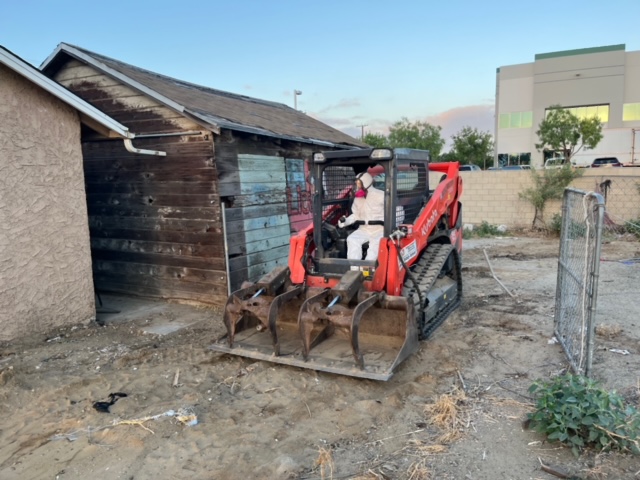
Hazardous materials remediation is a critical process that involves identifying, handling, and disposing of materials that pose risks to health and the environment. Given the complexity and potential dangers involved, it’s essential to adopt effective strategies to ensure successful remediation. Professionals in this field must be equipped with the right knowledge and tools to manage these materials safely and efficiently. The following strategies outline some of the best practices in hazardous materials remediation, drawing on industry standards and expert recommendations. For more detailed strategies and services, consider exploring advanced guides and tips available online.
Comprehensive Site Assessment
Before any remediation efforts can take place, a thorough site assessment is crucial. This involves:
- Identifying the types of hazardous materials present, such as chemicals, asbestos, or lead.
- Assessing the extent of contamination to determine the scope of remediation needed.
- Evaluating potential health and environmental risks associated with the site.
By conducting a detailed site assessment, professionals can develop a targeted remediation plan that addresses specific challenges posed by the site. Discover expert strategies here for conducting effective site assessments and planning.
Strategic Planning and Risk Management
Developing a Remediation Plan
After the assessment, the next step is to create a strategic plan for remediation. Key elements include:
- Setting clear objectives and timelines for the remediation process.
- Designing a step-by-step approach to address each type of hazardous material identified.
- Integrating risk management protocols to mitigate potential hazards during remediation.
Learn about our tailored solutions for creating effective remediation plans that prioritize safety and efficiency.
Engaging Stakeholders
Effective remediation often requires collaboration with various stakeholders. These may include:
- Regulatory agencies to ensure compliance with legal and environmental standards.
- Local communities to address concerns and communicate plans and progress.
- Contractors and specialists to provide expertise and resources for specific tasks.
Find out more about this approach to engaging stakeholders and maintaining transparency throughout the remediation process.
Utilizing Advanced Technologies
The use of advanced technologies can significantly enhance the effectiveness of hazardous materials remediation. Consider the following:
- Employing state-of-the-art detection and monitoring equipment to accurately identify hazardous substances.
- Implementing innovative remediation techniques, such as bioremediation or chemical neutralization, to treat contaminants effectively.
- Using data management systems to track progress and ensure compliance with regulatory requirements.
Explore advanced guides and tips on leveraging technology for more efficient and safer remediation processes.
Ensuring Safety and Compliance
Safety is of utmost importance in hazardous materials remediation. Professionals must adhere to strict safety protocols, including:
- Providing comprehensive training for workers on handling and disposing of hazardous materials.
- Using appropriate personal protective equipment (PPE) to safeguard workers’ health.
- Regularly auditing processes and procedures to ensure compliance with safety standards.
For more insights on maintaining safety and compliance, discover expert strategies here.
Continuous Monitoring and Evaluation
Successful remediation doesn”?t end with cleanup; continuous monitoring and evaluation are crucial to ensure long-term effectiveness. Steps include:
- Conducting post-remediation assessments to confirm that all hazardous materials have been effectively addressed.
- Establishing ongoing monitoring programs to detect any potential recontamination.
- Reviewing and updating remediation strategies based on new data and technological advancements.
Learn about our tailored solutions for implementing continuous monitoring and maximizing the effectiveness of remediation efforts.
In conclusion, hazardous materials remediation is a complex yet essential process requiring careful planning, collaboration, and the use of advanced technologies. By adopting these strategies, professionals can effectively manage hazardous materials, protect public health, and preserve the environment. For further resources and expert assistance, explore advanced guides and tips available online.