The Complete Guide to Bike Fitting for Competitive Riders
Bike fitting has become an essential aspect of competitive cycling, as it directly affects a rider’s performance, comfort, and overall experience on the bike. A well-fitted bike can make all the difference in a rider’s ability to maintain optimal speed, power, and control. Conversely, a poorly fitted bike can lead to discomfort, fatigue, and decreased performance. In this comprehensive guide, we will delve into the world of bike fitting, exploring its importance, benefits, and best practices for achieving a precise, tailored fit.
Understanding the Importance of Bike Fitting
Bike fitting is not just about adjusting the saddle height or handlebar position. It’s a complex process that involves understanding the rider’s body geometry, bike geometry, and the interaction between the two. A bike that is not fitted correctly can lead to a range of issues, including:
- Reduced power output and efficiency
- Increased risk of injury or discomfort
- Decreased control and handling
- Reduced comfort and fatigue
The Role of Technology in Bike Fitting
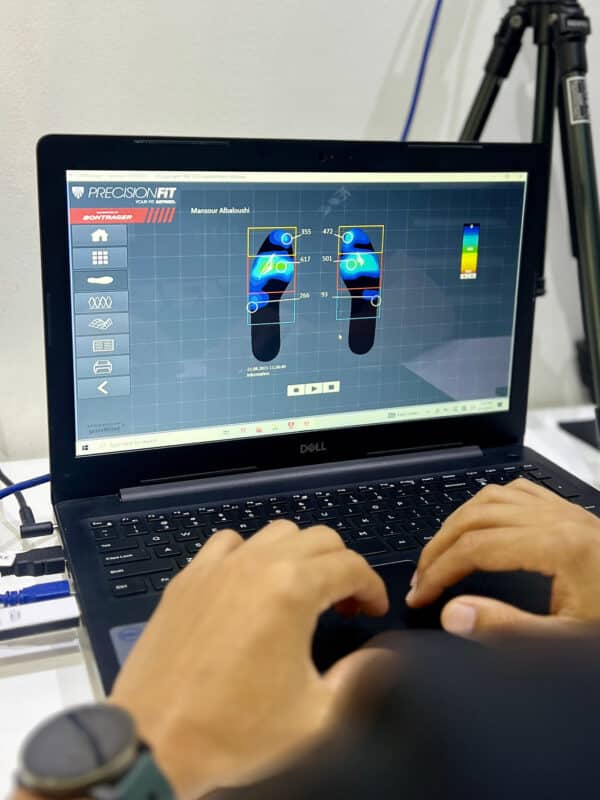
Advances in technology have revolutionized the bike fitting process, making it more accurate, efficient, and accessible. One such innovation is the use of pressure mapping systems, which provide a detailed analysis of the rider’s body pressure distribution on the bike. This information can be used to identify areas of discomfort or pressure hotspots, allowing for targeted adjustments to be made.
Discover expert strategies here to optimize your bike fitting process using the latest technology.
Pressure Mapping and Its Benefits
Pressure mapping is a non-invasive, pain-free way to assess the rider’s comfort and pressure distribution on the bike. This technology has numerous benefits, including:
- Improved accuracy and precision in bike fitting
- Reduced risk of injury or discomfort
- Increased comfort and reduced fatigue
- Enhanced performance and efficiency
The Importance of a Precise Fit
A precise fit is essential for competitive riders, as it directly affects their performance, comfort, and overall experience on the bike. A bike that is not fitted correctly can lead to reduced power output, increased risk of injury, and decreased control and handling.
Learn about our tailored solutions for achieving a precise, comfortable fit.
Best Practices for Achieving a Precise Fit
Achieving a precise fit requires a combination of technical knowledge, attention to detail, and a deep understanding of the rider’s body geometry and bike geometry. Some best practices for achieving a precise fit include:
- Conducting a thorough rider assessment, including body measurements and bike fit analysis
- Using pressure mapping systems to identify areas of discomfort or pressure hotspots
- Adjusting the bike to accommodate the rider’s unique body geometry and riding style
- Regularly monitoring and adjusting the bike fit to ensure optimal performance and comfort
Conclusion
Bike fitting is a complex process that requires a deep understanding of the rider’s body geometry, bike geometry, and the interaction between the two. By incorporating the latest technology, including pressure mapping systems, and following best practices for achieving a precise fit, competitive riders can optimize their performance, comfort, and overall experience on the bike.
Find out more about this approach to bike fitting and discover how it can benefit your performance and comfort.
Explore advanced guides and tips for bike fitting and performance optimization on Discover expert strategies here.