Building lean muscle is a multifaceted process that blends consistent training, adequate nutrition, and strategic supplementation. While a solid diet provides the essential macronutrients, certain supplements can accelerate recovery, enhance protein synthesis, and support hormonal balance, making them valuable tools for anyone serious about muscle hypertrophy. This review evaluates the most scientifically backed supplements for muscle growth, outlining their mechanisms, optimal usage, and potential drawbacks, so readers can make informed decisions without falling for hype.
Why Supplementation Matters for Muscle Growth
When training intensively, the body experiences micro-tears in muscle fibers, metabolic stress, and hormonal fluctuations. Proper nutrition supplies the building blocks, but supplements can fill gaps and amplify the body’s natural anabolic responses. The right combination can:
- Increase muscle protein synthesis (MPS) after workouts.
- Reduce muscle soreness and accelerate recovery.
- Support energy production for higher training volume.
- Maintain hormonal environments conducive to growth.
Core Supplements Backed by Research
1. Whey Protein Isolate
Whey protein delivers a rapid influx of essential amino acids, particularly leucine, which directly triggers the mTOR pathway, a key regulator of MPS. Isolate forms contain minimal lactose and fat, making them ideal post-workout.
- Typical dose: 20-30″?g within 30″?minutes after training.
- Benefits: Faster absorption, high biological value, supports lean mass gains.
- Considerations: Individuals with dairy allergies may prefer plant-based alternatives.
2. Creatine Monohydrate
Creatine increases intramuscular phosphocreatine stores, allowing for greater ATP regeneration during short, high-intensity efforts. This translates to improved strength, power, and ultimately more stimulus for growth.
- Loading phase (optional): 20″?g/day split into 4 doses for 5-7 days.
- Maintenance: 3-5″?g/day.
- Safety: Extensive studies confirm long-term safety for healthy adults.
3. Beta-Alanine
By buffering hydrogen ions, beta-alanine delays muscular fatigue during high-rep sets, enabling longer training sessions and greater volume.
- Effective dose: 2-5″?g per day, split to avoid paresthesia.
- Best timing: Consistent daily intake; timing relative to workouts is less critical.
4. Branched-Chain Amino Acids (BCAAs)
While whole-protein sources provide all essential amino acids, BCAAs, especially leucine, can be useful during fasted training or prolonged cardio sessions to preserve muscle tissue.
- Typical ratio: 2:1:1 (Leucine:Isoleucine:Valine).
- Dosage: 5-10″?g before or during workouts.
- Note: Not a replacement for adequate protein intake.
Supplement Categories for Specific Goals
Enhancing Recovery
Post-exercise recovery is crucial for progressive overload. In addition to whey, consider:
- Glutamine: May aid immune function and gut health, indirectly supporting training consistency.
- Omega-3 Fatty Acids: Anti-inflammatory properties help reduce delayed-onset muscle soreness.
Increasing Training Volume
When the aim is to push more reps or lift heavier, the following can be advantageous:
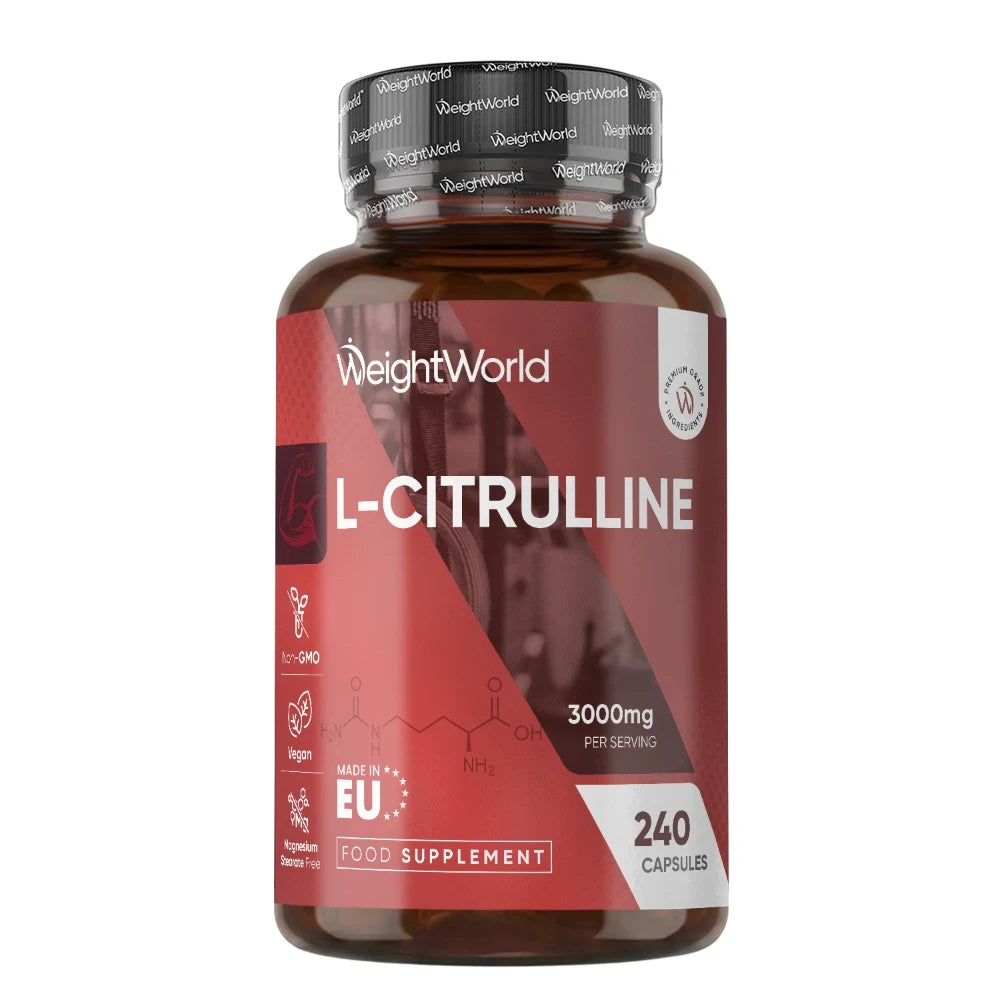
- Citrulline Malate: Boosts nitric oxide production, improving blood flow and nutrient delivery.
- Beta-Hydroxy-Beta-Methylbutyrate (HMB): Helps limit muscle breakdown during high-volume phases.
Choosing the Right Products
Not all supplements are created equal. Quality indicators include third-party testing, transparent labeling, and reputable manufacturing practices. When selecting a product, look for certifications such as NSF Certified for Sport or Informed-Sport.
Key Evaluation Checklist
- Ingredient purity and absence of banned substances.
- Clear dosage instructions based on peer-reviewed research.
- Positive user reviews that reference consistent results.
Integrating Supplements into a Muscle-Building Routine
Effective supplementation aligns with training cycles and nutritional timing. A sample daily protocol might look like:
- Morning: 5″?g creatine mixed with water; 3″?g beta-alanine.
- Pre-workout (30″?min): 6″?g citrulline malate, 5″?g BCAAs.
- Post-workout: 25″?g whey protein isolate + 5″?g glutamine.
- Evening: 1″?g omega-3 EPA/DHA; optional HMB (3″?g) on heavy-load days.
Where to Find High-Quality Options
For those seeking the best supplements to gain muscle, reputable online retailers often curate products that meet strict quality standards. Browsing dedicated sections for supplements muscle can simplify the selection process, ensuring each item is backed by transparent lab testing and clear labeling.
Potential Side Effects and Safety Considerations
While most supplements are safe when used as directed, individual tolerance varies. Common concerns include:
- Gastrointestinal discomfort from high doses of creatine or beta-alanine.
- Allergic reactions to dairy-based whey.
- Interactions with medications, particularly blood thinners (omega-3) or blood pressure agents (citrulline).
Consulting a healthcare professional before beginning any new supplement regimen is advisable, especially for those with pre-existing conditions.
Conclusion
Optimizing muscle growth extends beyond the gym floor; strategic supplementation can bridge nutritional gaps, boost training capacity, and accelerate recovery. Prioritizing evidence-based products such as whey protein isolate, creatine monohydrate, and beta-alanine, while ensuring quality through reputable sources, offers the most reliable path to measurable gains. Coupled with disciplined training and a balanced diet, these supplements form a comprehensive toolkit for anyone committed to building lean, functional muscle.