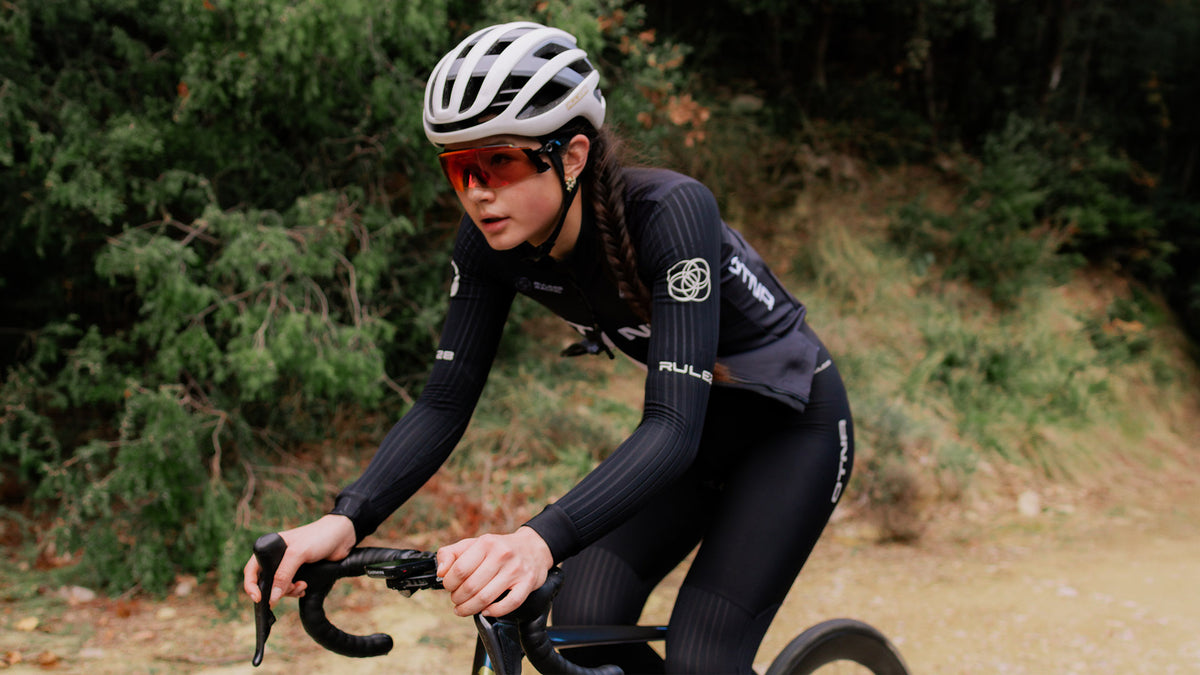
When the margins between victory and the pack are measured in seconds, every gram, watt, and millimeter counts. Cyclists who chase marginal gains understand that incremental improvements, whether aerodynamic, mechanical, or physiological, compound into a decisive advantage on race day. This guide outlines the most effective upgrades that deliver noticeable performance lifts without requiring a complete bike overhaul. By focusing on proven, data-backed enhancements, riders can fine-tune their setup, reduce drag, and extract more power from each pedal stroke.
1. Aerodynamic Clothing: The First Line of Defense
Clothing contributes up to 20″?% of total aerodynamic drag, especially at speeds above 30″?km/h. Modern fabrics and cut designs are engineered to streamline airflow around the torso, arms, and legs. Selecting the right kit can shave seconds off a 40-km time trial.
- Choose a tight-fitting aero cycling clothing that eliminates excess fabric while maintaining comfort.
- Opt for garments with textured panels that manage boundary-layer turbulence, a technique known as “dimpled” or “ribbed” surface treatment.
- Integrate a full aero cycling kit, jersey, bib shorts, and socks, to ensure consistent airflow across all body sections.
- Consider aerodynamic cycling clothing made from low-drag, moisture-wicking fibers that keep the rider cool without compromising shape.
2. Wheel Upgrades: Reducing Rotational Mass
Wheels are the rotating mass of the bike, and their design directly influences both acceleration and aerodynamic efficiency. Upgrading to lighter, deeper-section rims can produce measurable gains on flat and rolling terrain.
Key considerations
- Depth vs. wind: 45-50″?mm deep rims offer a good balance between drag reduction and stability in crosswinds.
- Carbon vs. alloy: Carbon wheels provide lower weight and better stiffness, translating to quicker acceleration.
- Spoke count: Fewer spokes reduce turbulence; however, ensure the wheel maintains sufficient strength for your riding conditions.
3. Power Meter Integration: Data-Driven Tuning
Understanding where power is lost is essential for targeted upgrades. A reliable cycling marginal gains strategy begins with accurate data.
- Install a crank-based or pedal-based power meter to monitor output in real time.
- Analyze power-duration curves to identify weaknesses in sprint, threshold, or endurance zones.
- Use the data to prioritize upgrades, e.g., if peak power is limited, focus on drivetrain efficiency; if sustained power is high but speed lags, prioritize aerodynamics.
4. Drivetrain Efficiency: Smoother Shifts, Less Loss
Even small friction losses in the drivetrain can add up over long distances. Upgrading to high-quality components minimizes these losses.
- Switch to a ceramic or high-performance stainless steel chain for reduced friction.
- Consider a 12-speed cassette with optimized tooth geometry that maintains chain tension and smooth engagement.
- Regularly clean and lubricate the drivetrain; a well-maintained system can be up to 5″?% more efficient.
5. Bike Fit and Position Optimization
Proper fit maximizes power transfer while minimizing aerodynamic drag. Small adjustments to saddle height, fore/aft position, and handlebar reach can yield measurable speed gains.
- Use a professional bike fitting service to fine-tune the rider’s position.
- Lowering the torso angle by 2-3″?degrees can reduce frontal area without sacrificing comfort.
- Integrate a custom cycling race kit that conforms to the rider’s exact measurements for a seamless aerodynamic profile.
6. Tire Selection and Pressure Management
Rolling resistance is another hidden source of lost time. Modern tubeless systems and low-rolling-resistance compounds can improve speed without compromising grip.
- Choose a high-volume, tubeless-ready tire with a slick tread for road racing.
- Set pressure based on rider weight and road conditions; a 2-3″?% reduction in rolling resistance can translate to a 0.5″?% speed increase.
- Consider a tire with a carbon-reinforced casing for added puncture protection and stiffness.
7. Component Weight Reductions: The Cumulative Effect
While weight savings have a larger impact on climbs, they also affect overall handling and acceleration. Target components that offer the best power-to-weight ratio.
- Replace the stem, seatpost, and handlebars with carbon alternatives.
- Upgrade to a lightweight carbon crankset and bottom bracket.
- Every gram saved above the bottom bracket contributes to a more responsive ride.
8. Aerodynamic Accessories: Small Details, Big Impact
Accessories such as bottle cages, seatpost clamps, and even helmet design contribute to the overall drag profile.
- Use aero-shaped bottle cages that align with the frame’s airflow.
- Fit a low-drag seatpost clamp or integrate the seatpost into the frame’s aero tube.
- Invest in a time-trial helmet with a smooth shell and integrated visor to cut frontal drag.
Conclusion: Building a Cohesive Upgrade Strategy
Achieving noticeable marginal gains requires a holistic approach that balances aerodynamics, mechanical efficiency, and rider positioning. By prioritizing upgrades such as best cycling upgrades, high-performance apparel, and data-driven adjustments, cyclists can convert incremental improvements into decisive race-day advantages. Remember that each change should be tested, measured, and refined; the true power of marginal gains lies in the systematic pursuit of perfection.