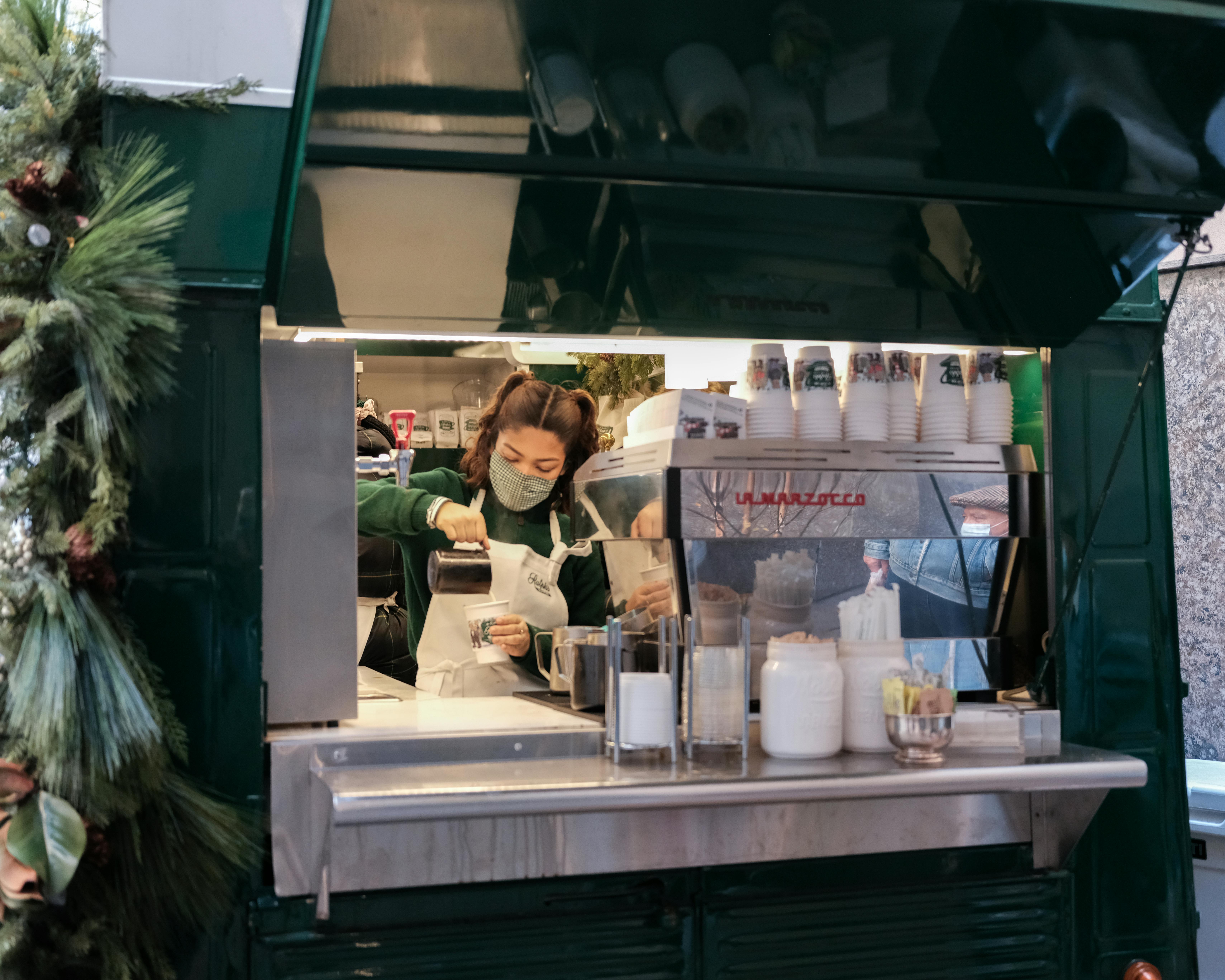
Planning a wedding in Singapore involves countless decisions, from venue selection to floral arrangements. One increasingly popular element that adds both elegance and a touch of hospitality is a coffee cart. A well-executed coffee cart can keep guests refreshed, create a memorable focal point, and even serve as a conversation starter during cocktail hour. However, turning this idea into reality requires careful attention to licensing, logistics, and layout planning. This guide breaks down each component so couples and planners can confidently incorporate a coffee cart into their wedding day without unnecessary stress.
Understanding Licensing Requirements
Singapore maintains strict regulations for food and beverage services at public and private events. Before booking a coffee cart, it is essential to secure the appropriate permits to avoid fines or service interruptions.
Key Licenses and Approvals
- Food Shop Licence (FSL): Required for any entity preparing or selling food and beverages on site. The licence is issued by the Singapore Food Agency (SFA) and must be valid on the event date.
- Temporary Food Stall Licence (TFSL): Ideal for one-day events such as weddings. This licence allows the cart to operate for a limited period and can be obtained through the SFA’s online portal.
- Public Entertainment Licence: If the coffee cart includes live music, a DJ, or any form of entertainment, an additional licence from the Singapore Police Force may be needed.
- Venue Approval: Many wedding venues have their own insurance and safety requirements. Confirm with the venue manager that a mobile coffee cart is permissible and whether they require a copy of the licences.
To streamline the process, work with a coffee cart provider who already holds the necessary certifications. This reduces paperwork and ensures compliance with health and safety standards.
Logistical Considerations
Beyond paperwork, the practical aspects of setting up a coffee cart can make or break the experience. Proper planning around power, water, and staffing will keep the service smooth and enjoyable.
Power and Utilities
- Confirm the venue’s electrical capacity. Espresso machines and grinders draw significant power; a dedicated 13-amp socket is often required.
- If the venue lacks sufficient outlets, arrange for a generator. Ensure the generator complies with venue fire safety regulations.
- Access to clean water is essential for brewing and cleaning. Portable water tanks or a connection to the venue’s supply should be arranged in advance.
Staffing and Training
- Allocate at least two baristas for a typical wedding of 150-200 guests. This ensures minimal wait times and allows one staff member to focus on latte art while the other handles orders.
- Baristas should be trained in allergy awareness, especially for guests with dairy or nut sensitivities.
- Consider a dedicated “coffee host” to greet guests, manage the queue, and coordinate with the wedding planner for timing.
Equipment Checklist
- Espresso machine (commercial grade, with temperature stability)
- Grinder (preferably doser-less for consistency)
- Milk frothers or steam wands
- Portable espresso cups, saucers, and stirrers
- Disposable or reusable cup options, clearly labeled for recycling
- Cleaning supplies and waste bins
When these elements are coordinated, the coffee cart can operate like a mini caf??, delivering high-quality beverages throughout the celebration.
Designing the Layout
The visual impact of a coffee cart is as important as its functional performance. A thoughtfully designed layout enhances guest flow and complements the overall wedding aesthetic.
Placement Strategies
- Near the Reception Area: Position the cart close to the cocktail or dining tables so guests can easily access coffee between courses.
- Alongside the Photo Booth: This creates a natural gathering spot, encouraging social interaction and photo opportunities.
- Separate Lounge Zone: If space permits, set up a small lounge with high stools and soft lighting, turning the cart into a relaxed networking area.
Styling Tips
- Choose a cart finish that matches the wedding theme, polished wood for a rustic vibe, sleek stainless steel for modern affairs, or a pastel-painted cart for a pastel-colored palette.
- Incorporate branding elements subtly, such as a small chalkboard menu or a floral garland that mirrors the bouquet.
- Lighting can transform the cart after dusk. Soft amber uplights or string lights add warmth without overwhelming the space.
Menu Planning
A concise yet diverse menu keeps service efficient. Consider offering:
- Classic espresso and americano
- Signature latte with a seasonal flavor (e.g., ginger-spice for a winter wedding)
- Cold brew or iced latte for outdoor or tropical ceremonies
- Non-caffeinated alternatives like herbal tea or hot chocolate for children and non-coffee drinkers
Embedding a link to an espresso bar for wedding can provide inspiration for menu customization and presentation ideas.
Budgeting and Cost Management
While a coffee cart adds a premium touch, it can be managed within a reasonable budget by considering the following factors:
- Rental vs. Purchase: Most couples opt to rent the cart and equipment, which typically includes staffing and basic consumables.
- Per-Cup Pricing: Some vendors charge a flat rate per cup, while others offer an all-inclusive package. Compare both models to determine which aligns with the guest count.
- Additional Fees: Account for possible extra charges such as generator rental, extended service hours, or bespoke d??cor.
By obtaining detailed quotes and clarifying what is included, couples can avoid hidden costs and stay within their overall wedding budget.
Case Study: Successful Coffee Cart Integration
At a recent waterfront wedding in Marina Bay, the couple chose a sleek, stainless-steel coffee cart positioned near the cocktail lounge. The cart featured a minimalist menu highlighting a signature pandan latte, reflecting local flavors. With all licences secured in advance and a dedicated power supply from the venue, service ran seamlessly for four hours. Guests praised the quick turnaround and the added personal touch of having a barista create latte art on demand. This example illustrates how thoughtful planning around coffee cart wedding singapore trends can elevate the overall experience.
Final Checklist
- Obtain Food Shop Licence or Temporary Food Stall Licence from SFA.
- Secure venue approval for power, water, and cart placement.
- Confirm staffing levels and barista training.
- Prepare equipment list and verify functionality.
- Design cart layout that aligns with wedding theme and guest flow.
- Finalize menu with both caffeinated and non-caffeinated options.
- Review budget, including hidden fees and per-cup costs.
- Conduct a pre-event walk-through with the vendor.
Integrating a coffee cart into a Singapore wedding adds a sophisticated, interactive element that delights guests and showcases attention to detail. By adhering to licensing protocols, addressing logistical needs, and crafting an inviting layout, couples can ensure that their coffee experience is as seamless as it is memorable.