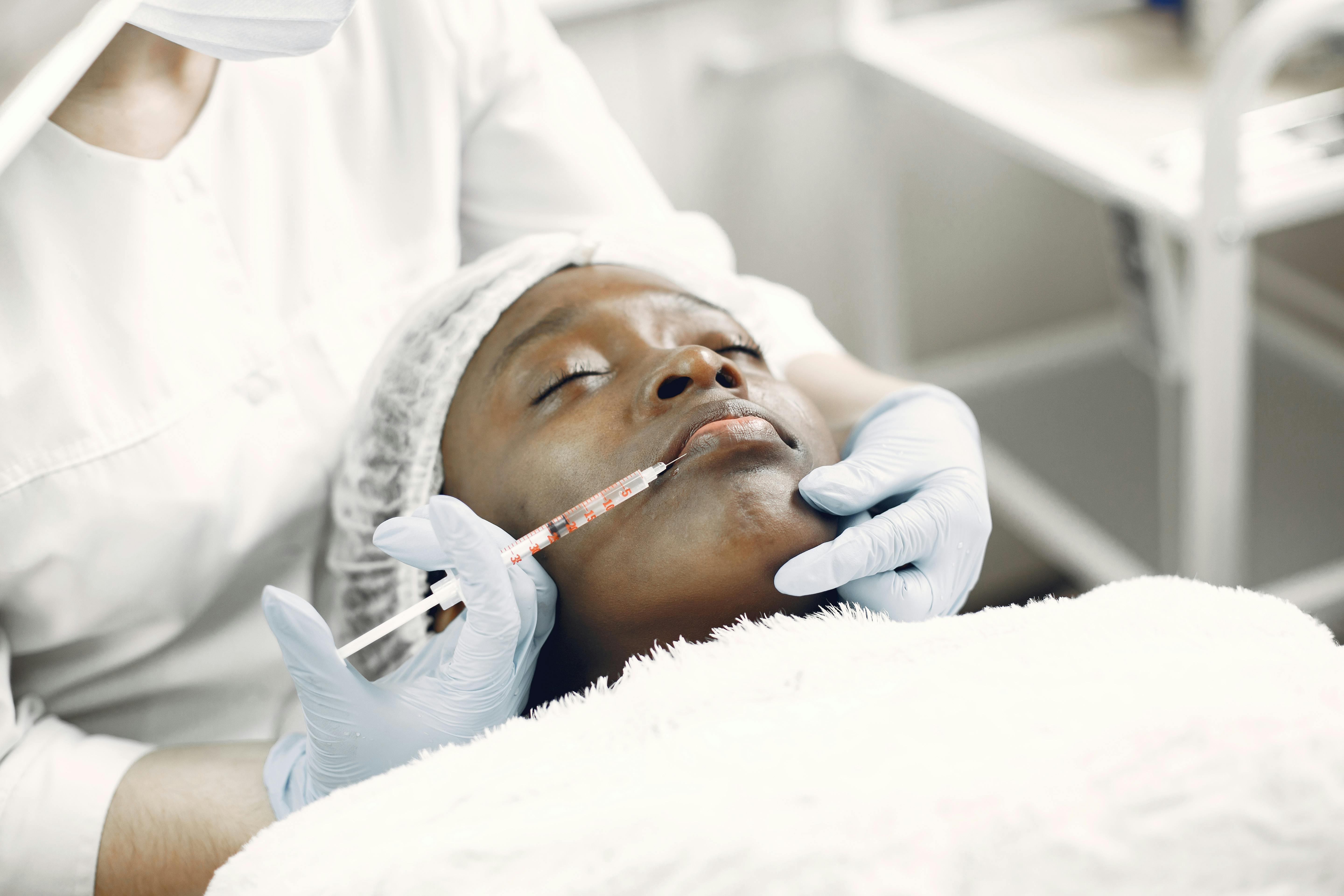
Facial aesthetics clinics in Windsor have evolved from niche boutiques to comprehensive centers that blend artistry with cutting-edge science. Clients seeking subtle enhancements or transformative procedures now benefit from a multidisciplinary approach that prioritizes safety, personalized treatment plans, and long-term results. Understanding the landscape of these clinics, what services are offered, how practitioners are qualified, and what standards govern the industry, empowers individuals to make informed decisions that align with their aesthetic goals and health considerations.
What Sets Windsor Clinics Apart?
Windsor’s reputation for high-quality medical care extends into the realm of aesthetic medicine. Several factors distinguish local clinics from generic providers:
- Board-Certified Specialists: Many clinics employ dermatologists, plastic surgeons, and facial plastic surgeons who hold certifications from recognized bodies such as the Royal College of Physicians and Surgeons of Canada.
- State-of-the-Art Technology: Advanced imaging, laser systems, and injection devices enable precise diagnosis and treatment.
- Regulatory Oversight: Clinics adhere to provincial health regulations, ensuring sterile environments and documented consent processes.
- Holistic Consultation Process: Initial assessments often include facial analysis, skin health evaluation, and lifestyle review to craft a truly individualized plan.
Core Services Offered
Windsor clinics typically provide a menu of procedures that can be grouped into three main categories: injectables, energy-based treatments, and surgical interventions.
Injectables
- Botulinum toxin (Botox, Dysport) for dynamic wrinkle reduction.
- Dermal fillers (hyaluronic acid, calcium hydroxylapatite) for volume restoration and contouring.
- Platelet-rich plasma (PRP) for skin rejuvenation and healing acceleration.
Energy-Based Treatments
- Laser resurfacing to improve texture, tone, and pigmentation.
- Radiofrequency (RF) tightening for collagen stimulation.
- Intense pulsed light (IPL) for vascular lesions and sun damage.
Surgical Options
- Rhinoplasty for structural and aesthetic nasal changes.
- Liposuction of the chin and jawline (submental liposuction).
- Facelift procedures that combine deep tissue repositioning with minimally invasive techniques.
For a deeper dive into how these treatments can be combined into a cohesive plan, Discover expert strategies here.
Choosing the Right Clinic
Selecting a clinic requires more than a quick internet search. Consider the following checklist to evaluate credibility and fit:
- Credentials Verification: Confirm that the practitioner holds a valid medical license and relevant aesthetic certifications.
- Before-and-After Portfolio: Review a diverse set of images that demonstrate consistent, natural-looking results.
- Patient Reviews: Look for feedback on bedside manner, post-procedure support, and overall satisfaction.
- Transparent Pricing: Clinics should provide detailed cost breakdowns, including any follow-up appointments.
- Safety Protocols: Inquire about sterilization practices, emergency preparedness, and the use of FDA-approved products.
To explore a clinic that aligns with these standards, Learn about our tailored solutions.
Preparing for Your First Visit
A thorough preparation enhances both safety and outcome quality. Patients are encouraged to:
- Compile a list of current medications and supplements.
- Share any history of allergies, especially to anesthetics or dermal fillers.
- Bring high-resolution photographs of their facial profile for comparative analysis.
- Set realistic expectations by discussing desired results and potential limitations.
Guidelines for pre-procedure preparation can be found in detailed resources such as Explore advanced guides and tips.
Post-Procedure Care and Longevity
Optimal results depend on diligent after-care. Common recommendations include:
- Avoiding direct sunlight and using broad-spectrum sunscreen for at least two weeks.
- Refraining from intense exercise or heat exposure (saunas, hot tubs) for 24-48 hours.
- Following prescribed topical regimens to support healing and collagen synthesis.
- Scheduling follow-up appointments to monitor progress and address any concerns.
For evidence-based after-care protocols, Find out more about this approach.
Future Trends in Facial Aesthetics
Windsor clinics are poised to adopt emerging technologies that promise even greater precision and minimal downtime. Anticipated developments include:
- AI-driven facial mapping for predictive outcome modeling.
- Biostimulatory fillers that promote endogenous collagen production over time.
- Non-thermal radiofrequency devices that target deeper tissue layers without surface heating.
Staying informed about these innovations ensures that patients can access the most effective and safest options as they become available.
Conclusion
The landscape of facial aesthetics clinics in Windsor reflects a blend of medical rigor, artistic sensibility, and patient-centered care. By understanding the qualifications of providers, the spectrum of services, and the standards that safeguard health, individuals can confidently navigate their aesthetic journey. Whether exploring injectables for subtle refinement or considering surgical enhancements for more pronounced change, the region offers a wealth of expertise that aligns with contemporary expectations of safety and natural-looking results.