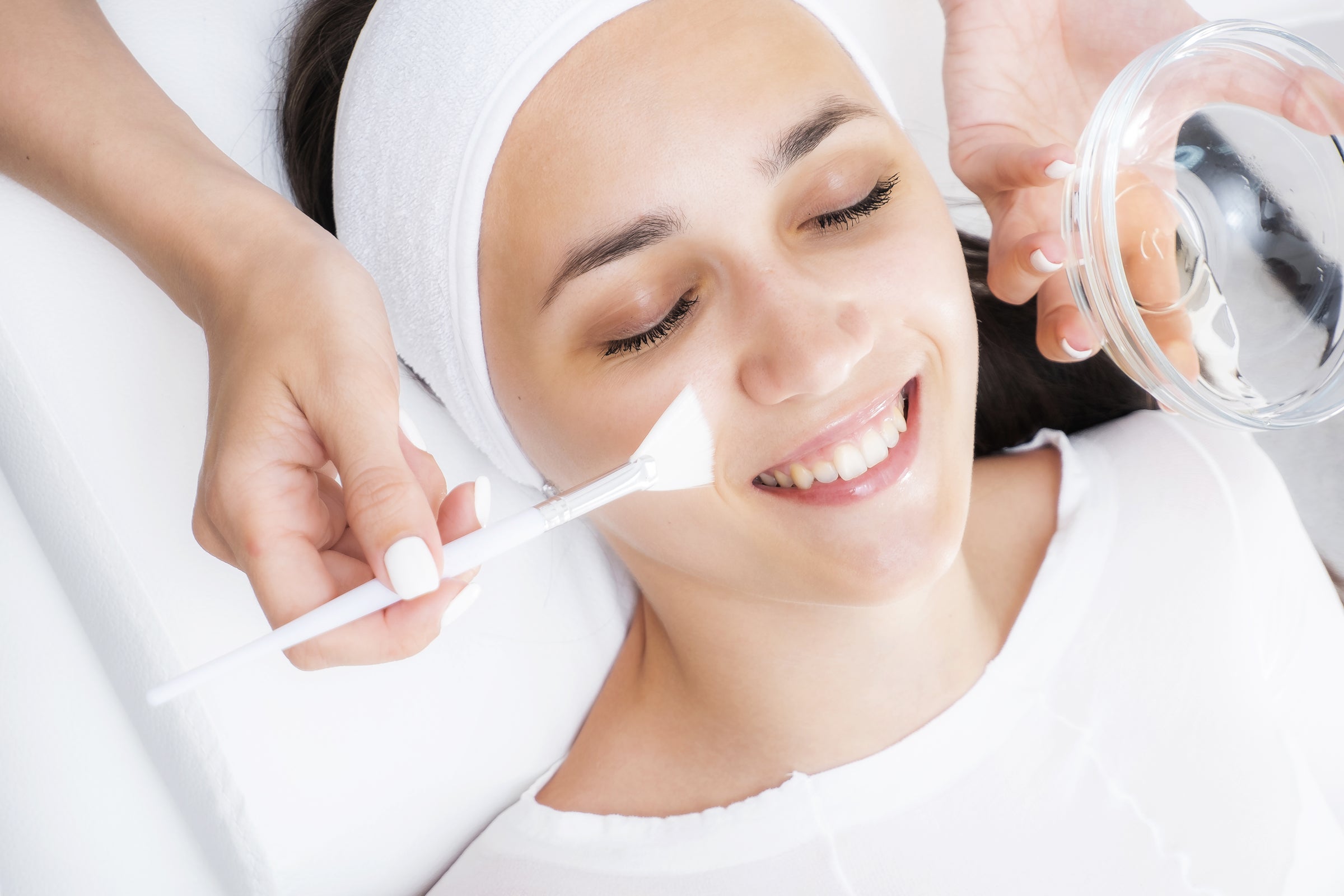
Hyperpigmentation is a common skin concern that affects individuals of all ages and skin types. It manifests as darker patches on the skin, often resulting from sun exposure, hormonal changes, or inflammation. Among the various treatments available, chemical peels stand out as an effective method for addressing hyperpigmentation. These treatments offer a way to achieve glowing, even-toned skin by exfoliating the outer layers and promoting skin regeneration. Understanding how chemical peels work and their benefits can guide individuals seeking to improve their skin’s appearance.
Understanding Chemical Peels
Chemical peels involve the application of a chemical solution to the skin, which causes the outer layers to exfoliate and eventually peel off. This process encourages the regeneration of new, healthier skin.
Types of Chemical Peels
- **Superficial Peels**: Use mild acids like alpha hydroxy acid to gently exfoliate. Suitable for mild hyperpigmentation issues.
- **Medium Peels**: Utilize trichloroacetic or glycolic acid to reach the middle layers of skin, addressing moderate pigmentation problems.
- **Deep Peels**: Employ stronger acids like phenol to penetrate deeper layers. Ideal for severe hyperpigmentation but require longer recovery times.
For those interested in tailoring their treatment, it is essential to consult with professionals to determine which type of chemical peel best suits their skin type and concerns. Discover expert strategies here.
Benefits of Chemical Peels for Hyperpigmentation
Chemical peels offer numerous advantages for individuals dealing with hyperpigmentation:
- **Improves Skin Tone**: By removing the layers of dead skin cells, peels help reveal a more even skin tone.
- **Stimulates Collagen Production**: Promotes skin firmness and elasticity, reducing the appearance of fine lines.
- **Quick and Efficient**: Sessions are relatively short, and results can often be seen after just a few treatments.
- **Boosts Skin Radiance**: Leaves the skin looking fresh and rejuvenated.
To learn more about the benefits and suitability of chemical peels for different skin types, learn about our tailored solutions.
Preparation and Aftercare
Proper preparation and aftercare are crucial to maximize the benefits of chemical peels and minimize potential side effects.
Before Treatment
- Avoid sun exposure and tanning beds for at least a week prior to the treatment.
- Discontinue use of exfoliating creams and masks about a week before the procedure.
- Consult with a skincare professional to ensure the treatment is appropriate for your skin type.
After Treatment
- Use gentle skincare products and avoid harsh ingredients for a few days post-treatment.
- Apply a broad-spectrum sunscreen daily to protect the new skin from UV damage.
- Moisturize regularly to maintain skin hydration.
For more detailed guidance on preparation and aftercare, explore advanced guides and tips.
Potential Side Effects
While chemical peels are largely safe, being aware of potential side effects ensures a better experience:
- **Redness and Irritation**: Common immediately after the treatment but typically subsides within a few days.
- **Peeling and Flaking**: A natural part of the process as the skin sheds dead cells.
- **Sensitivity**: Increased sensitivity to sun exposure, which necessitates diligent sun protection.
It is crucial to follow professional advice to mitigate these effects and achieve optimal results. Find out more about this approach.
Ultimately, chemical peels offer an effective solution for those seeking to address hyperpigmentation and achieve a glowing complexion. By understanding the process, benefits, and necessary precautions, individuals can make informed decisions and enjoy the rejuvenating effects of this treatment. Consulting with skincare professionals ensures a personalized approach that aligns with unique skin needs and goals.