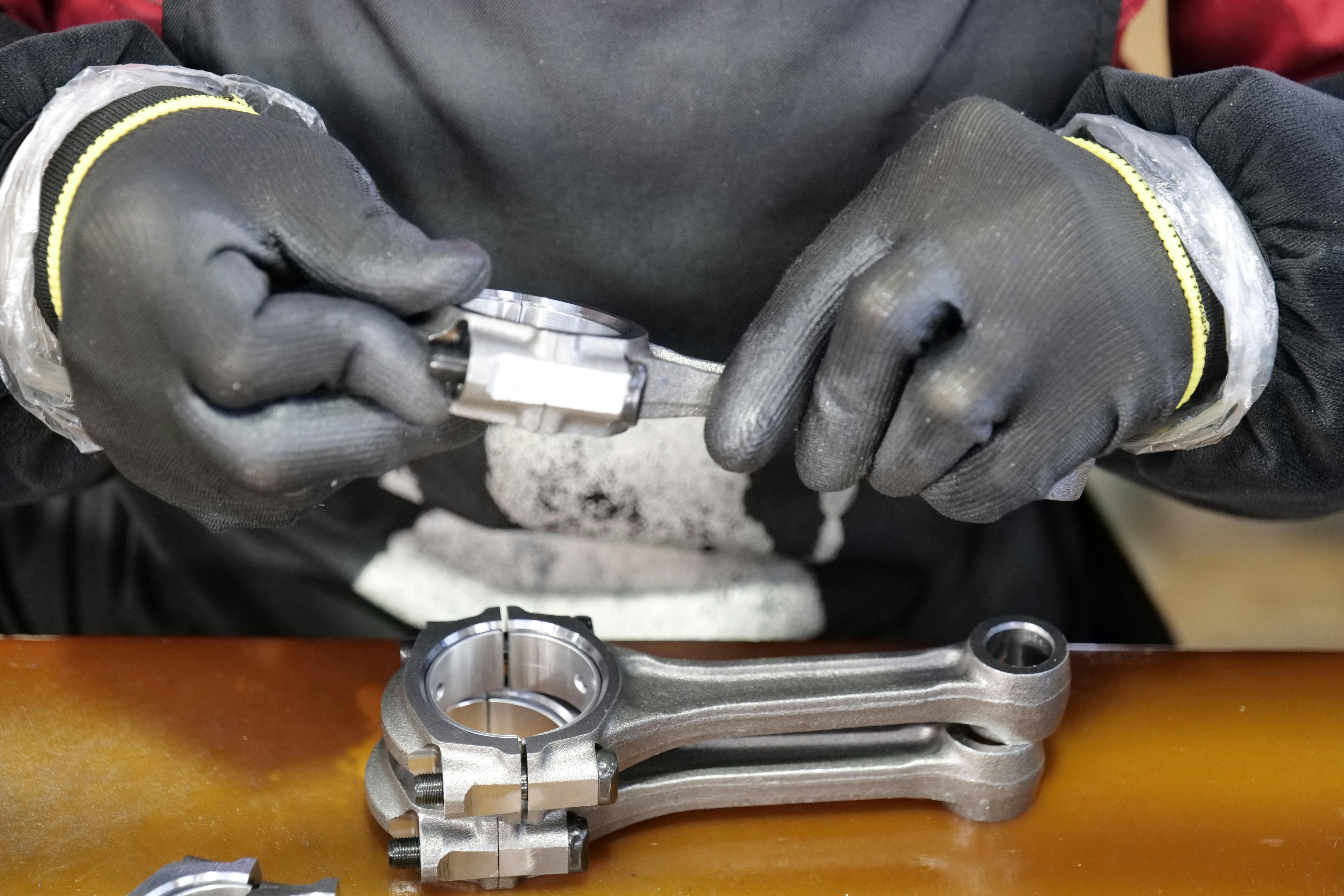
Ground engaging tools (GETs) are critical components in heavy machinery, designed to withstand challenging working conditions. They are essential in industries such as construction, mining, and agriculture, where the equipment must interact directly with abrasive materials like soil, rock, and gravel. The effectiveness and longevity of machinery largely depend on the quality and maintenance of these tools. This article delves into the various types of ground engaging tools and their parts, underscoring their significance and offering insights into their optimal use.
Understanding Ground Engaging Tools
Ground engaging tools are attachments that come into direct contact with the ground during operation. They are pivotal in equipment performance, influencing productivity and cost efficiency. The primary function of GETs includes:
- Enhancing cutting efficiency.
- Reducing wear and tear on machinery.
- Improving penetration in tough materials.
- Extending the life of heavy equipment.
Types of Ground Engaging Tools
Blades and Edges
Blades and edges are commonly used in bulldozers and motor graders. They are designed to cut and push materials efficiently. The choice of material for blades, such as carbon steel or tungsten, affects the durability and performance of the machinery.
Learn about our tailored solutions in blade technology.
Bucket Teeth
Bucket teeth are essential for loaders and excavators. They are subjected to immense stress and must be robust to maintain efficiency. The design and material of bucket teeth can significantly influence the penetration and digging capabilities of the equipment.
Explore advanced guides and tips on choosing the right bucket teeth.
Cutting Edges
Cutting edges are integral to the operation of scrapers and graders. They provide a sharp interface for cutting and leveling surfaces. Proper maintenance of cutting edges ensures optimal performance and longevity of the equipment.
Discover expert strategies here on maintaining cutting edges.
Importance of Material Selection
Material selection is crucial in the manufacturing of ground engaging tools. The right materials can vastly improve wear resistance and operational efficiency. Some common materials include:
- High-carbon steel for durability and strength.
- Tungsten carbide for enhanced wear resistance.
- Chromium alloys for reduced friction and increased lifespan.
Choosing the appropriate material requires understanding the specific conditions under which the equipment will operate.
Find out more about this approach to material selection.
Maintenance and Replacement
Regular maintenance and timely replacement of ground engaging tools are vital for ensuring optimal performance. Key maintenance practices include:
- Regular inspection for wear and tear.
- Timely replacement to prevent damage to the machine.
- Proper installation and alignment to avoid undue stress.
Effective maintenance strategies can significantly extend the lifespan of machinery and improve operational efficiency.
Explore advanced guides and tips on maintenance practices.
In conclusion, ground engaging tools are indispensable for heavy machinery operations. Understanding their types, materials, and proper maintenance can lead to improved productivity and cost-efficiency in various industries. By selecting the right tools and maintaining them well, industries can enhance their operational capabilities and extend the life of their machinery.