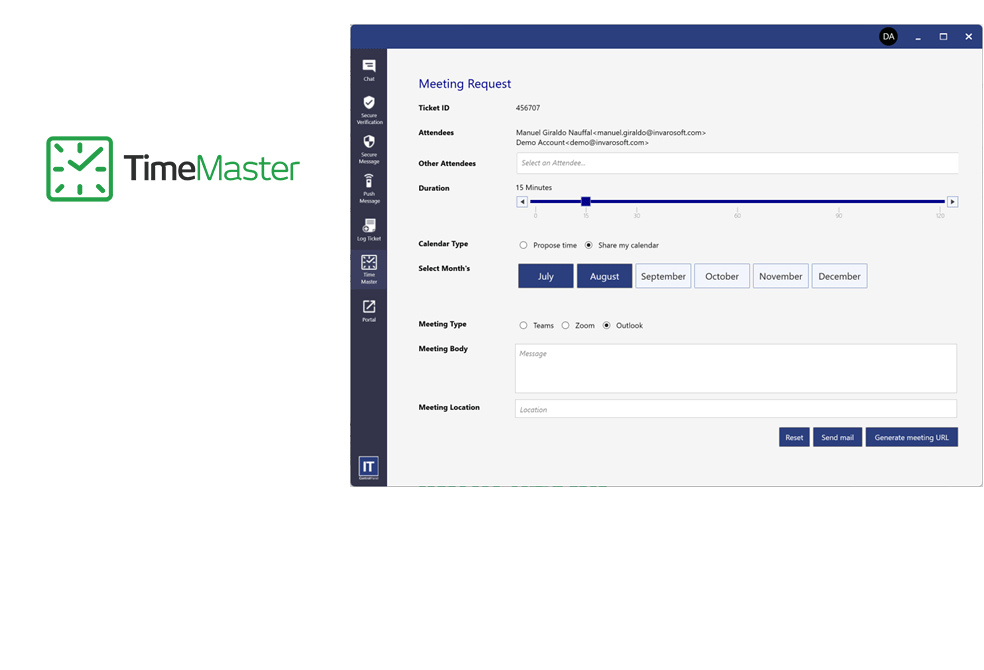
In today’s fast-paced business environment, managing complex workflows efficiently is paramount. As Managed Service Providers (MSPs) juggle multiple responsibilities, streamlining operations becomes crucial to ensure client satisfaction and business growth. MSP scheduling software has emerged as a pivotal tool in this realm, offering an intuitive interface that simplifies task management, boosts productivity, and enhances service delivery.
Understanding MSP Scheduling Software
MSP scheduling software is designed to automate and optimize the various scheduling tasks that MSPs encounter daily. These tasks include resource allocation, project timelines, and client communications. By incorporating sophisticated algorithms and user-friendly interfaces, such software facilitates seamless operations.
Key Features of MSP Scheduling Software
- Automated Scheduling: Intelligent algorithms suggest optimal schedules, reducing manual input and errors.
- Resource Management: Efficiently track and allocate resources to projects based on availability and skill set.
- Real-time Updates: Keep all stakeholders informed with instant updates and notifications.
- Integration Capabilities: Seamlessly integrates with existing systems such as CRM, ERP, and other business applications.
- Data Analytics: Provides insights into productivity and resource utilization for informed decision-making.
Benefits of Implementing User-Friendly Scheduling Tools
The impact of adopting an MSP scheduling software can be substantial. Beyond improving operational efficiency, the software offers several other benefits that can transform business operations.
Enhanced Productivity
By automating routine tasks, MSP scheduling software frees up valuable time for employees to focus on more strategic activities. This increased productivity can lead to faster project completion and higher client satisfaction.
Improved Resource Utilization
With a clear view of resource availability and task assignments, managers can optimize the use of personnel and equipment. This ensures that resources are not underutilized or overburdened, leading to a more balanced workflow.
Reduced Operational Costs
Automated scheduling reduces the need for manual oversight, which can significantly cut down on labor costs. Additionally, by minimizing scheduling conflicts and errors, the software helps avoid costly project delays and rework.
Choosing the Right Scheduling Software
When selecting an MSP scheduling software, it is important to consider several factors to ensure it aligns with specific business needs:
- Scalability: Ensure the software can grow with the business and handle increasing workload and complexity.
- Customization: The ability to tailor the software to meet unique business processes and requirements.
- Ease of Use: A user-friendly interface is crucial for quick adoption by staff, minimizing the learning curve.
- Support and Training: Access to ongoing support and training can help maximize the software’s potential and ensure continuous improvement.
Conclusion
Incorporating a robust and user-friendly MSP scheduling software can be a game-changer for businesses seeking to enhance their operational efficiency. By automating and optimizing scheduling tasks, these tools not only streamline workflows but also contribute to a more productive and cost-effective business environment. As the demand for efficient service delivery continues to grow, leveraging such technology becomes imperative for staying competitive in the industry.