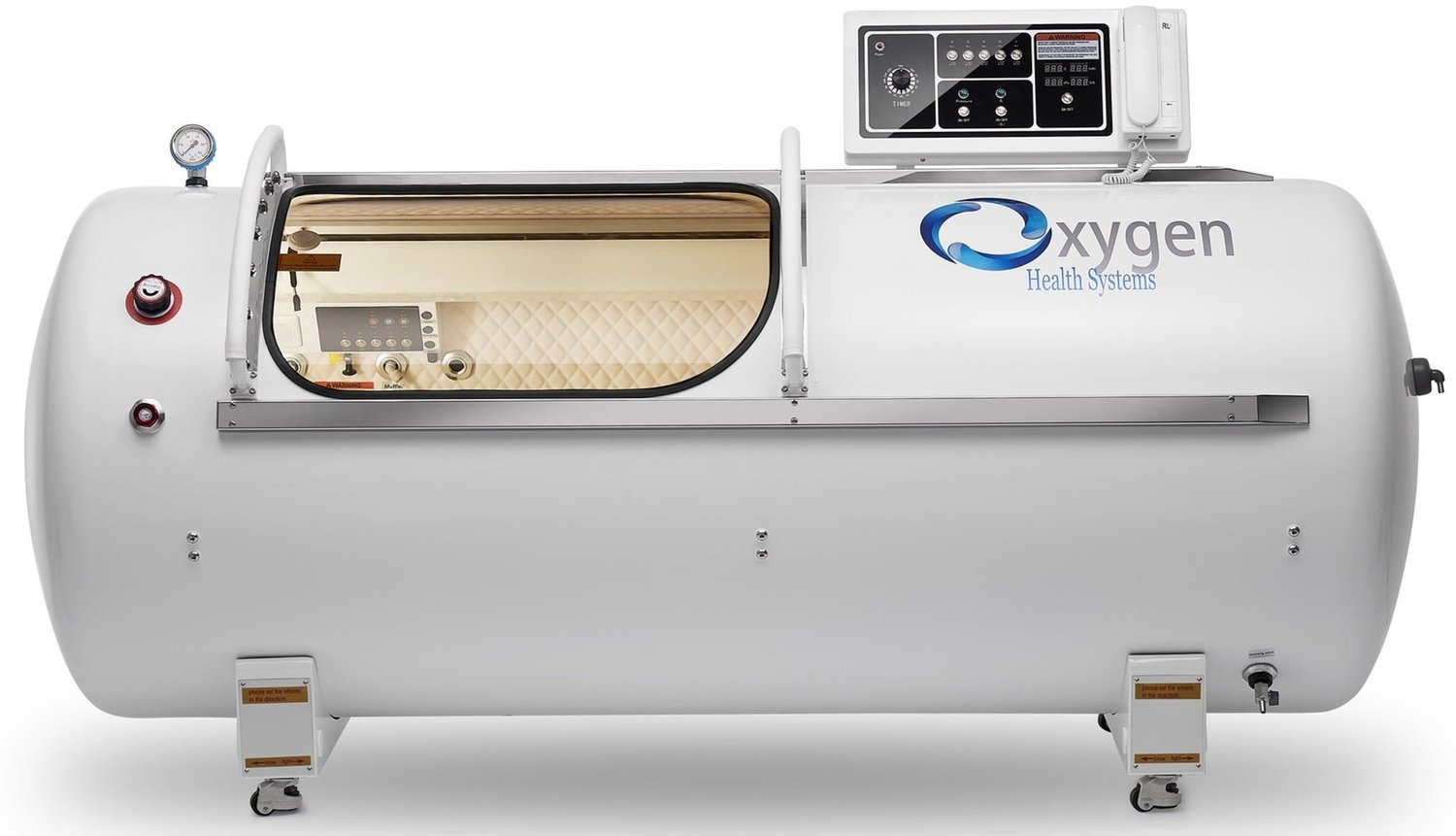
Multiple Sclerosis (MS) is a chronic condition that affects the central nervous system, leading to a range of neurological symptoms. Managing this condition often requires a comprehensive approach that includes medication, therapy, and lifestyle adjustments. Among the various treatment alternatives, hyperbaric oxygen therapy (HBOT) has emerged as a potential option for easing some of the symptoms associated with MS. This article explores the benefits of hyperbaric chambers for MS patients, highlighting how this therapy may contribute positively to their treatment regimen.
Understanding Hyperbaric Oxygen Therapy
Hyperbaric oxygen therapy involves breathing pure oxygen in a pressurized chamber. This treatment aims to increase the oxygen concentration in the blood, promoting healing and reducing inflammation. While commonly associated with treating decompression sickness in divers, HBOT has found applications in various medical conditions, including MS.
Mechanisms of Action
HBOT is believed to benefit MS patients by:
- Enhancing oxygen supply to damaged tissues.
- Reducing inflammation and promoting healing of nervous tissue.
- Stimulating the release of growth factors and stem cells, aiding in tissue repair.
These mechanisms collectively contribute to the potential alleviation of MS symptoms, providing a complementary strategy alongside conventional treatments. Discover expert strategies here to maximize the therapy’s benefits.
Research and Clinical Evidence
Several studies have explored the impact of HBOT on MS, with varying outcomes. While not a cure, many patients have reported improvements in symptoms such as fatigue, spasticity, and mobility. Key findings from recent research include:
- Increased energy levels and reduced fatigue.
- Improved cognitive function and mental clarity.
- Enhanced quality of life and psychological well-being.
Though results may vary, the growing body of evidence supports the potential of HBOT as an adjunctive treatment for MS. For more information on the research, learn about our tailored solutions to address specific symptoms.
Practical Considerations for MS Patients
For individuals considering hyperbaric therapy, it’s crucial to consult with healthcare professionals to determine its suitability. Some considerations include:
- Assessing the severity and progression of MS symptoms.
- Understanding the potential risks and benefits of HBOT.
- Determining the appropriate number and duration of sessions.
These factors, along with a personalized treatment plan, can play a significant role in the successful integration of HBOT into an MS management strategy. To explore advanced guides and tips, consider consulting experts in the field.
The Future of HBOT in MS Treatment
As research into hyperbaric therapy continues, its potential applications in managing MS are becoming more defined. Innovations in technology and deeper understanding of the mechanisms involved are likely to enhance its efficacy. The synergy between HBOT and other treatment modalities holds promise for comprehensive care strategies.
By staying informed and exploring all available options, MS patients can make well-rounded decisions about their treatment paths. To find out more about this approach, patients and caregivers are encouraged to seek out reputable sources and consult healthcare providers familiar with the latest advancements in MS therapies.