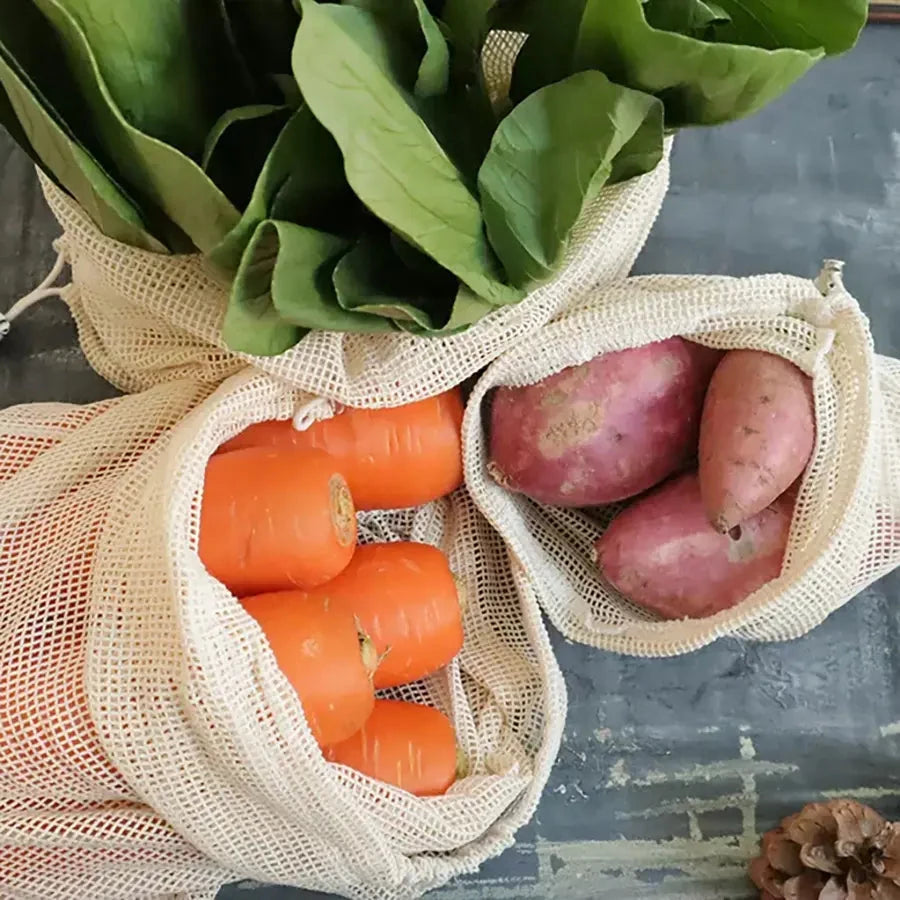
In recent years, the shift towards sustainable living has gained significant momentum, with individuals and businesses alike seeking environmentally friendly solutions. One simple yet impactful change is the adoption of eco-friendly produce bags. These bags not only help reduce plastic waste but also contribute to a more sustainable lifestyle. However, with a plethora of options available in the market, choosing the best eco-friendly produce bags can be overwhelming. This article provides a comprehensive guide to help make informed decisions when selecting these essential items for an environmentally conscious lifestyle.
Understanding the Types of Eco-Friendly Produce Bags
When exploring options for eco friendly produce bags, it’s important to understand the different types available. Each type has unique features and benefits that cater to various needs. Here are some common types:
- Cotton Bags: Made from natural fibers, cotton bags are biodegradable and reusable. They are ideal for dry produce like grains and nuts.
- Mesh Bags: These bags are perfect for fruits and vegetables as they allow air circulation, keeping produce fresh longer.
- Recycled Plastic Bags: Made from materials like recycled water bottles, these bags offer durability and are often machine-washable.
- Hemp Bags: Known for their strength and durability, hemp bags are an excellent choice for heavy produce items.
Factors to Consider When Choosing Eco-Friendly Produce Bags
Selecting the right produce bags involves considering several factors to ensure they meet personal and environmental needs. Here are key considerations:
Material Composition
The material of the bag is crucial in determining its environmental impact. Opt for bags made from natural or recycled materials to minimize carbon footprint. For instance, cotton and hemp bags are sustainable options as they are compostable and eco-friendly.
Durability and Longevity
Investing in durable bags ensures they can withstand repeated use, reducing the need for frequent replacements. Consider bags that are machine-washable and resistant to wear and tear for long-term use.
Size and Capacity
Choose bags that accommodate typical shopping needs. For larger grocery hauls, consider bags with greater capacity. Mesh bags are particularly versatile, offering flexibility for various produce sizes.
Ease of Cleaning
Produce bags can become soiled easily, so it”?s essential to choose options that are easy to clean. Bags that are machine-washable save time and effort, ensuring hygiene is maintained.
Certification and Eco-Labels
Look for certifications and eco-labels that validate the bag’s sustainability claims. Certifications like GOTS (Global Organic Textile Standard) for cotton or the OEKO-TEX Standard ensure the bags meet environmental and safety standards.
Benefits of Using Eco-Friendly Produce Bags
Adopting eco-friendly produce bags offers numerous advantages, not only for the environment but also for personal well-being. Here are some key benefits:
- Reduction of Plastic Waste: By replacing single-use plastic bags with reusable options, individuals contribute to reducing the volume of plastic waste in landfills and oceans.
- Cost-Effective: Though the initial investment might be higher, the long-term savings are significant as these bags can be used repeatedly.
- Support for Sustainable Practices: Choosing bags from companies that prioritize sustainability supports ethical practices in the production and supply chain.
- Healthier Choices: Natural materials like cotton and hemp do not leach harmful chemicals into food, ensuring healthier storage options.
Conclusion
Transitioning to eco friendly produce bags is a simple, yet powerful step towards a more sustainable lifestyle. By understanding the types of bags available and considering factors such as material, durability, and size, individuals can make informed choices that align with their environmental values. Embracing these alternatives not only benefits the planet but also supports a healthier and more conscientious way of living.