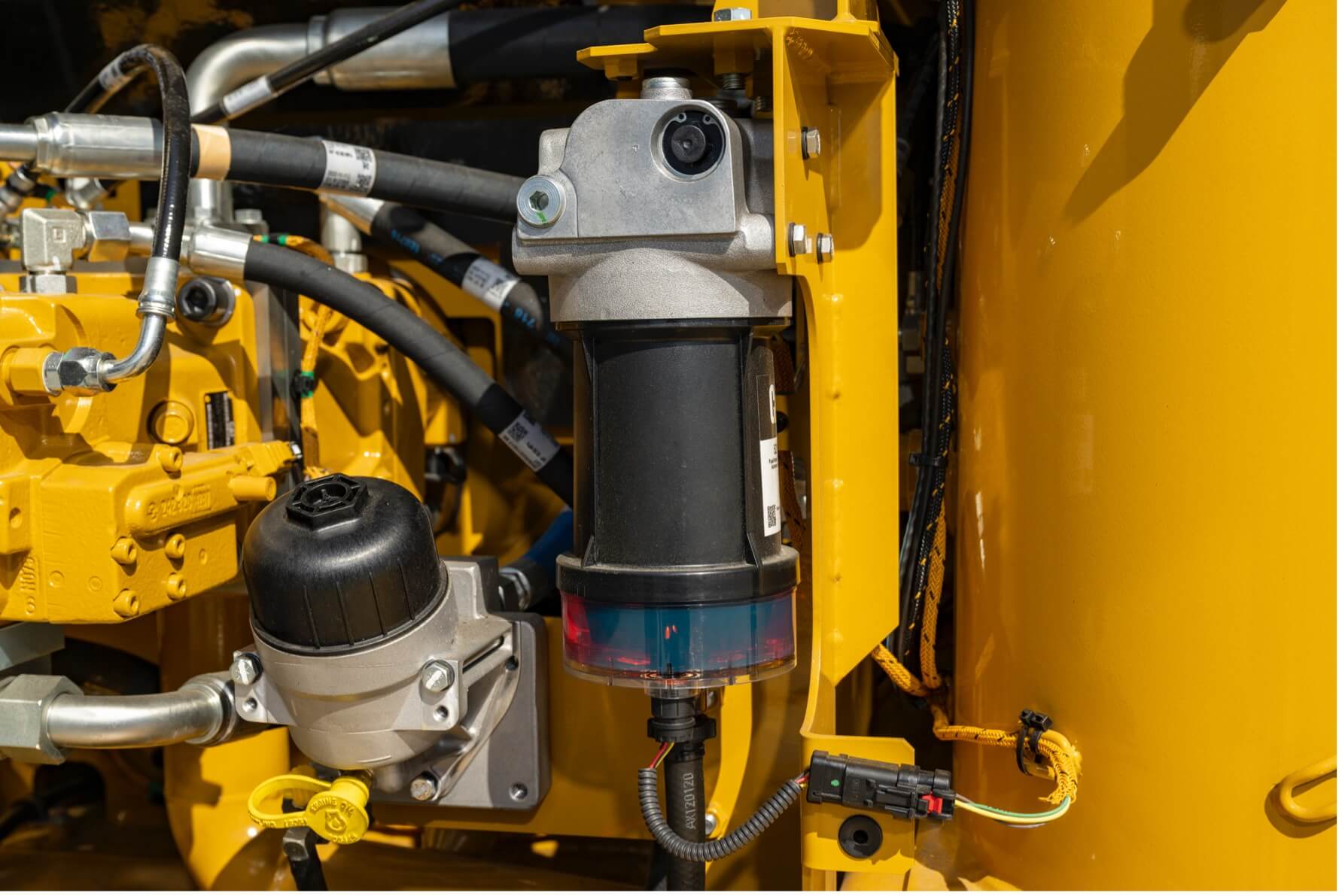
Hydraulic lift cylinders are integral components in various industrial and commercial applications, powering everything from construction machinery to automotive lifts. The efficiency, safety, and longevity of these systems hinge on proper maintenance. Neglecting maintenance can lead to unexpected failures, costly repairs, and potential safety hazards. Understanding and implementing a robust maintenance plan not only extends the service life of hydraulic equipment but also ensures optimal performance and safety.
Understanding Hydraulic Lift Cylinders
Hydraulic lift cylinders are devices that use hydraulic fluid to create linear motion and force. They are critical in applications where heavy loads must be lifted, moved, or held in place. The core components of a hydraulic lift cylinder include the cylinder barrel, piston, rod, and seals. These components work in unison to convert fluid power into mechanical power.
Key Maintenance Practices
Regular Inspections
Routine inspections are crucial for identifying wear and tear before they escalate into major issues. Key inspection points include:
- Checking for leaks in seals and connections.
- Inspecting the cylinder for dents, cracks, or corrosion.
- Ensuring the piston rod is straight and free from scratches.
Fluid Maintenance
The hydraulic fluid is the lifeblood of lift hydraulics. Regularly checking and replacing the fluid ensures:
- The system remains free of contaminants.
- Optimal fluid viscosity is maintained for efficient operation.
- Reduced risk of overheating and cavitation.
Using the right type of fluid as recommended by the manufacturer is essential for the longevity of hydraulic lift components.
Seal and Component Replacement
Seals are one of the most common points of failure in hydraulic systems. Over time, seals can degrade due to pressure, temperature fluctuations, and fluid contamination. Regular replacement of seals and other wear-prone components can prevent leaks and maintain system integrity.
Benefits of Proper Maintenance
Implementing a comprehensive maintenance strategy for hydraulic lift systems offers numerous benefits:
- Increased operational reliability and reduced downtime.
- Extended lifespan of the equipment, resulting in cost savings.
- Enhanced safety for operators and the surrounding environment.
- Improved performance and efficiency of lift hydraulics.
Conclusion
Proper maintenance of hydraulic lift cylinders is not just a best practice; it is a necessity for ensuring the safety, efficiency, and longevity of hydraulic systems. By conducting regular inspections, maintaining fluid quality, and replacing worn components, users can prevent costly breakdowns and extend the operational life of their equipment. Adhering to these maintenance practices will ensure that hydraulic systems continue to perform reliably, supporting the demanding needs of various industries.