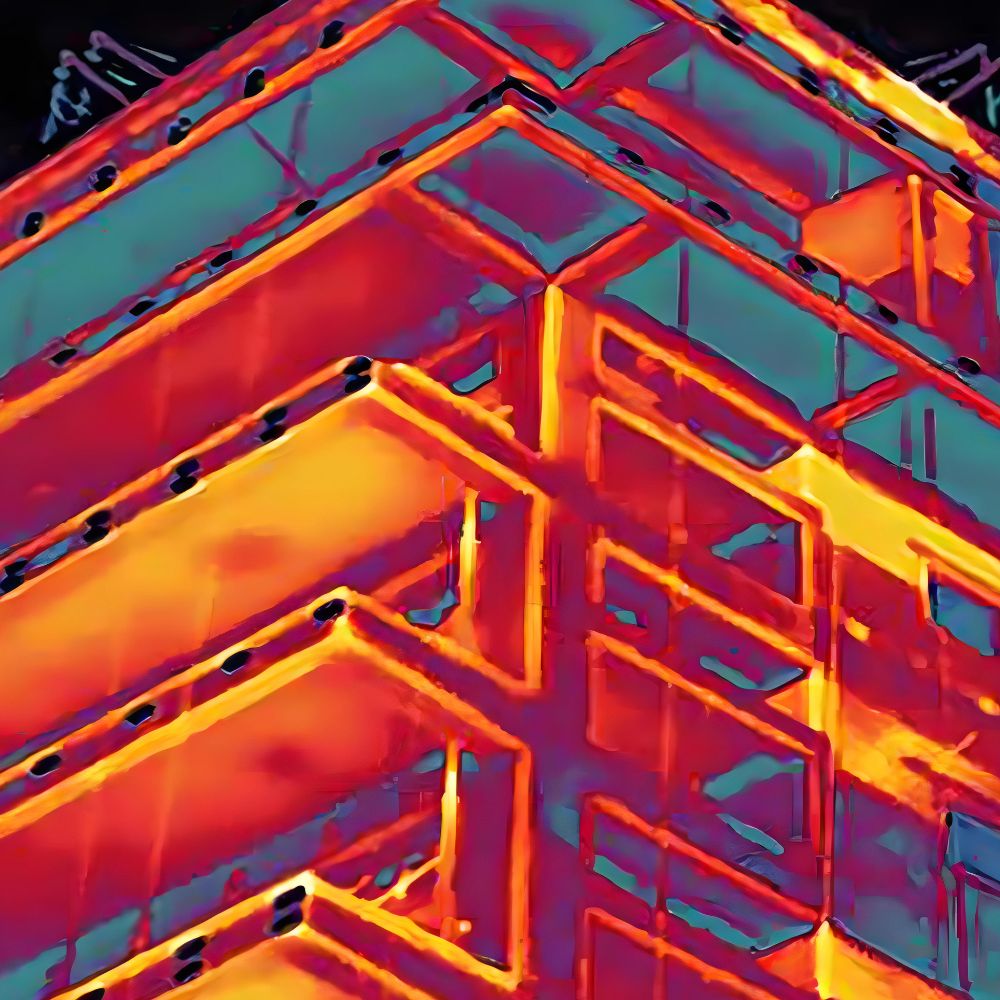
In the construction industry, the role of insulation is paramount. It not only contributes to energy efficiency but also enhances comfort within buildings by regulating temperature. A critical component in insulation technology is the thermal break. As buildings become more energy-efficient, understanding the benefits of thermal breaks in insulation is essential. This article delves into the importance of thermal breaks and how they can significantly improve insulation performance.
Understanding Thermal Breaks
Thermal breaks are materials that are inserted between conductive materials to prevent thermal bridging. Thermal bridging occurs when heat transfers through materials with high thermal conductivity, like metal or concrete, reducing the insulation’s overall effectiveness.
Why Thermal Breaks Matter
The primary function of thermal breaks is to enhance the thermal performance of a structure. Here’s why they are crucial:
- They reduce heat loss and gain, maintaining a stable temperature within the building.
- They help in preventing condensation, which can lead to mold and structural damage.
- They contribute to energy savings, reducing heating and cooling costs.
- They improve the overall comfort level by minimizing cold spots and drafts.
Applications of Thermal Breaks
Thermal breaks can be applied in various areas of a building, including:
- Windows and Doors: Thermal breaks in frames prevent heat from escaping or entering, enhancing the insulation of the entire structure.
- Roofing Systems: Including thermal breaks in roofing helps in maintaining the indoor temperature and reduces the load on HVAC systems.
- Wall Assemblies: In walls, thermal breaks prevent heat transfer through studs and other structural components.
Explore advanced guides and tips on implementing these applications effectively by visiting this resource.
Benefits of Using Thermal Breaks
Incorporating thermal breaks in insulation systems offers numerous benefits:
Energy Efficiency
By minimizing heat transfer, thermal breaks enhance the energy efficiency of buildings. This leads to:
- Lower energy consumption, resulting in reduced utility bills.
- A smaller carbon footprint, contributing to environmental sustainability.
Find out more about this approach to energy efficiency here.
Improved Comfort
Thermal breaks contribute to a more consistent indoor climate, which results in:
- Enhanced thermal comfort, keeping occupants warm in winter and cool in summer.
- Reduced reliance on artificial heating and cooling, contributing to a healthier environment.
Longevity of Building Materials
By preventing condensation and thermal stress, thermal breaks help in extending the lifespan of building materials.
- They prevent moisture accumulation, which can cause corrosion and decay.
- They reduce thermal stress on materials, minimizing the risk of cracking and other forms of structural damage.
Discover expert strategies on extending building material lifespan with thermal breaks here.
Challenges and Considerations
While thermal breaks offer significant benefits, their application requires careful consideration:
- Proper installation is crucial to ensure effectiveness. Misalignment can negate the benefits.
- The choice of materials for thermal breaks can impact the overall insulation performance.
- Cost considerations, as high-performance thermal breaks can increase initial construction expenses.
Learn about our tailored solutions to overcome these challenges by visiting this link.
Conclusion
Thermal breaks are a key component in modern insulation strategies, offering substantial benefits in terms of energy efficiency, comfort, and longevity of building materials. By understanding their applications and benefits, building professionals can make informed decisions that enhance building performance and sustainability. For more detailed insights and guidance on incorporating thermal breaks, explore this comprehensive guide.