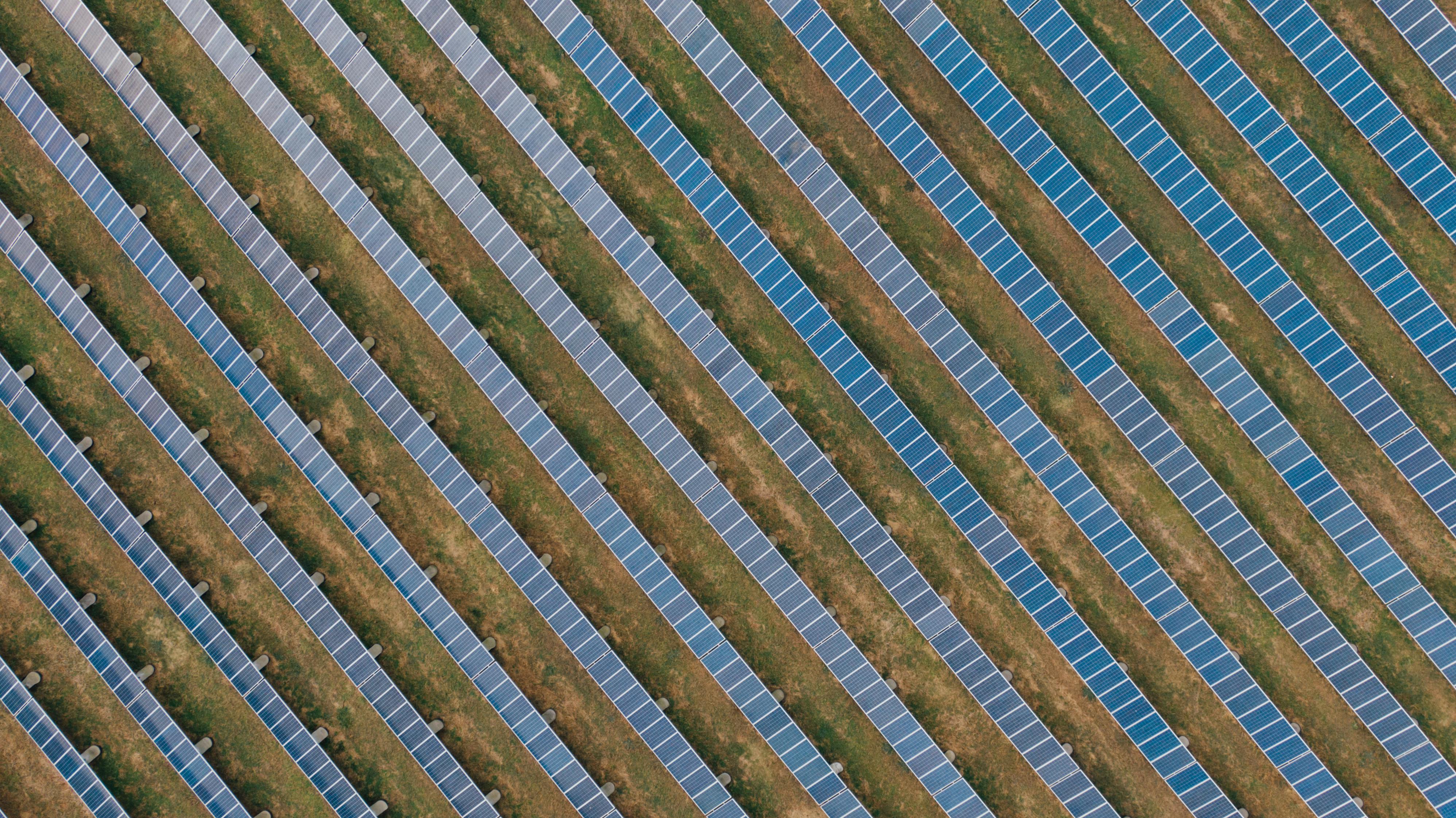
The agricultural sector is continuously seeking innovative solutions to enhance productivity and sustainability. With the rising cost of energy and the pressing need for eco-friendly practices, farmers are increasingly considering renewable energy sources. Among these, solar panels offer a promising avenue not only for reducing operational costs but also for contributing to environmental conservation. The integration of solar technology into farming operations can yield significant benefits, driving efficiency and sustainability on a large scale.
Advantages of Solar Panels for Farms
Cost Savings
The installation of solar panels for farms can lead to substantial cost reductions. By generating their own electricity, farmers can significantly lower their utility bills. Over time, this translates into considerable financial savings, freeing up resources to be allocated elsewhere.
- Reduction in electricity bills
- Protection against rising energy costs
- Potential for government incentives and tax credits
Environmental Impact
Solar panels serve as a clean energy source, helping to reduce the carbon footprint of agricultural operations. By decreasing reliance on fossil fuels, farms can contribute to a healthier environment and promote sustainable practices.
- Decreased greenhouse gas emissions
- Lower water and air pollution
- Enhanced biodiversity by reducing land degradation
Energy Independence and Reliability
Implementing solar panels provides farms with a reliable and consistent energy source. This independence from the grid ensures that operations can continue uninterrupted, particularly in remote areas where electricity supply may be inconsistent.
- Reliable power supply even in off-grid locations
- Reduced dependency on external energy providers
- Ability to store energy for use during non-sunny periods
Enhanced Farm Productivity
Solar energy can power a wide array of farm equipment, enhancing overall productivity. From irrigation systems to refrigeration units, agricultural solar panels provide the necessary energy for critical farm operations.
- Powering irrigation systems for improved water management
- Operating cooling systems for storage of perishable goods
- Supporting automated machinery for efficient farm operations
Future Trends in Agricultural Solar Technology
As technology advances, the potential applications of solar panels in agriculture continue to expand. Innovations such as agrivoltaics, where crops are grown under solar panels, are being explored to maximize land use efficiency. This dual-use of land not only enhances crop yield but also increases the energy output.
- Integration of solar panels with crop production
- Development of more efficient solar technologies
- Exploration of solar-powered robotic equipment
Conclusion
The adoption of solar panels in agriculture presents a myriad of benefits, from economic savings to environmental advantages. As farmers continue to embrace this renewable energy source, they pave the way for a more sustainable and efficient agricultural industry. By leveraging the power of the sun, farms can enhance productivity, ensure energy security, and contribute positively to the planet’s health.